A breakup doesn't just end a relationship. It rewires your nervous system, at least for a while. Your body was tuned to one person—their touch, their presence, their particular way of moving through shared space. Suddenly that feedback loop is gone. The muscles that responded automatically go quiet. And then there's the mind, which is busy grieving, angry, confused, or all three at once.
Restarting pleasure in this state isn't about forcing arousal. It's about carefully, intentionally rebuilding the pathway from your brain back to your body. This process takes weeks, not days. And it's entirely doable.
Your nervous system treats a breakup like a low-level threat. You've lost a source of safety, validation, and physical connection all at once. That triggers what therapists call a "dorsal vagal" response. Translation: your body shuts down a bit. Desire dims. Touch feels weird. Arousal is slow or doesn't happen at all. This is not depression (though breakups can trigger that too). It's your nervous system doing its job: protecting you from further pain by dampening sensation.
The good news is that this state is temporary. Your body can relearn pleasure. But it needs the right conditions.
I tell my clients this directly: if you're still checking your ex's Instagram or hoping they'll text, pleasure work will feel hollow. Your nervous system knows the truth even if your conscious mind is in denial. You need to reach a place where you're genuinely ready to invest in yourself rather than waiting for someone else.
This doesn't mean you have to feel completely healed. You just need to be willing to turn toward yourself instead of away from pain. That shift—from "I miss them" to "I deserve to feel good again"—is the actual starting line.
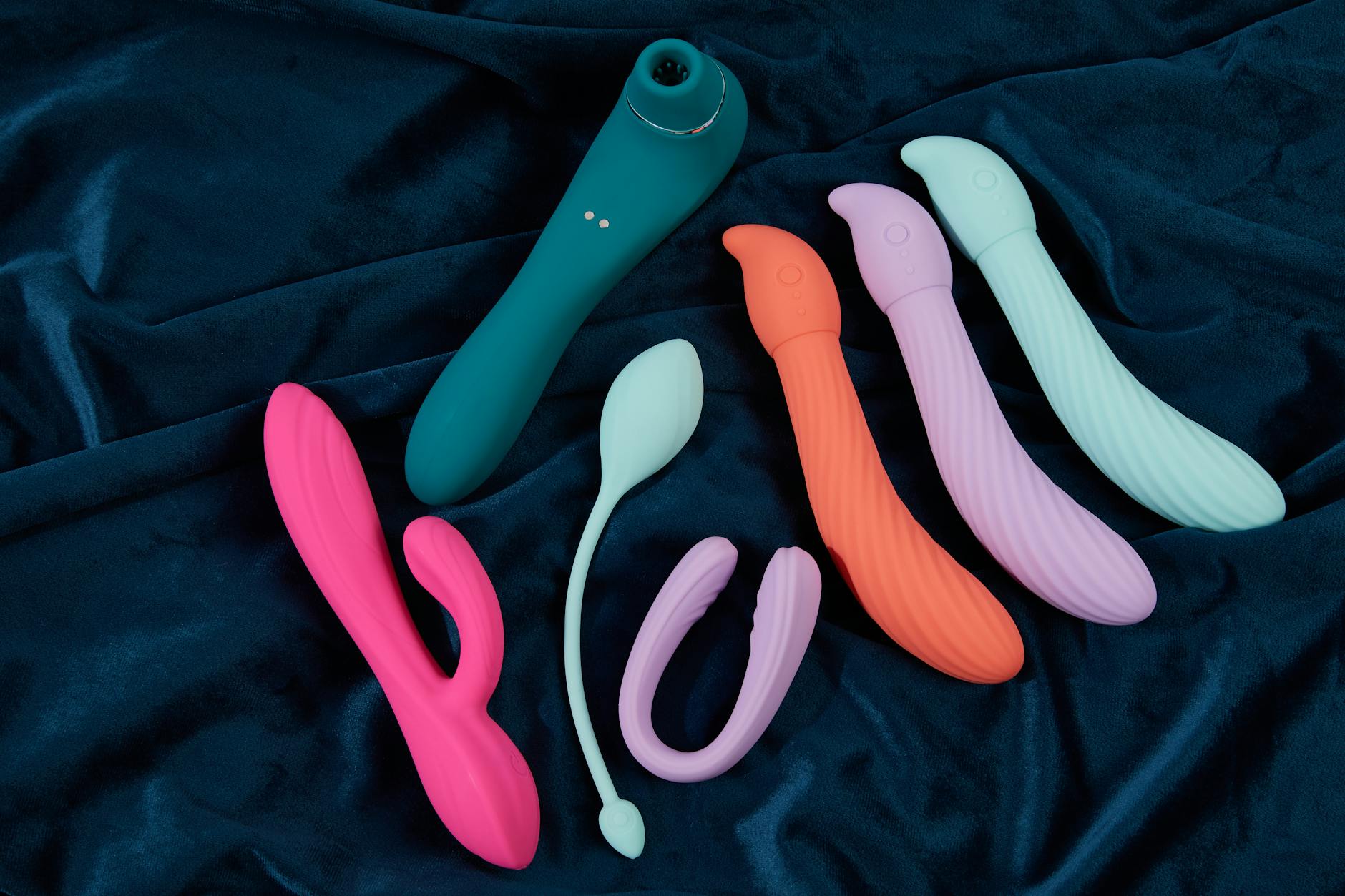
Here's where lemon vibrators and other clitoral toys become genuinely useful. Not because they're magic, but because they interrupt the feedback loop your body learned with your ex.
When you've only experienced pleasure through a partner, your nervous system can get stuck waiting for external input. Solo play with a device like the Lem—with its distinctive air-suction stimulation rather than vibration—creates novelty. Your brain doesn't have a "partner pattern" associated with it. You're building new neural pathways, not trying to resurrect old ones.
Start with low pressure and long sessions. I'm talking 30 minutes of gentle exploration, not goal-oriented orgasm chasing. Your clitoris has about 8,000 nerve endings, but if your nervous system is braced, those nerves won't fire. You're reawakening sensation, which takes time.
Week one: Touch without expectation. Use your hands or a toy like the Lem on the lowest setting. No orgasm goal. Just notice what sensations feel interesting versus numb. Many people report that the clitoral tissues actually feel desensitized at first—this is normal and reversible.
Week two: Extend duration. Move to 20-minute sessions. You're asking your nervous system to stay with sensation longer than it wants to. That builds resilience. Your body will start to recognize that it's safe to be present.
Week three: Add variation. Try different patterns, speeds, or positions. The novelty prevents your brain from zoning out. Boredom is the enemy here; it signals to your nervous system that this isn't "real" pleasure.
Week four: Notice changes. By now, most people report that arousal is quicker, orgasms feel sharper, and there's less mental resistance. You're no longer fighting your body. You're collaborating with it.
Most of my clients who've used traditional vibrators report that the buzz becomes white noise. Air-suction toys like those from Hello Nancy work differently. The suction sensation mimics oral sex—something your nervous system recognizes as intimate pleasure—but delivered by an object, not a person. This is key. You get the psychological safety of solo play with the somatic intensity of partnered sensation.
The Lem's design also means you're not dealing with the intense direct friction that can feel overwhelming when your nervous system is already in protective mode. Air suction is gentler on sensitized tissue while delivering deeper stimulation. It's a sweet spot for nervous system recalibration.
Here's the part that therapists don't always say out loud: you have to actually believe you deserve pleasure right now, while you're grieving, while you might still be a mess.
Breakups make you feel like you failed. And failure feels like you should be denied good things, at least temporarily. That's the shame talking. Your nervous system is trying to punish you for a relationship ending (which, statistically, wasn't entirely your fault, no matter what the breakup story says).
Removing that punishment—insisting on pleasure despite grief—is an act of profound self-care. Not the Instagram kind. The real kind, where you're actively telling your nervous system: "You're safe. You deserve to feel good. Loss doesn't mean you don't get to have your body back."
This is the hardest part and also the most important. Everything else flows from this permission.
Guilt about "replacing" the connection. You're not. You're rebuilding access to your own pleasure, which is separate from relationship pleasure. These aren't in competition.
Numbness that doesn't shift in four weeks. That's worth checking in with a therapist about. Sometimes grief gets stuck and needs more support than solo play can provide.
Sensation feels wrong or triggering. Listen to that. Your body might need more time. Go slower. Or take a week off and restart. There's no timeline.
Orgasms feel different or less intense. They will, at first. Your nervous system is recalibrating. Intensity usually returns around week 8-10 when your body has genuinely relearned the pattern.
If numbness persists beyond six weeks, or if touch triggers panic or dissociation, a therapist trained in somatic therapy can help. There's nothing wrong with you. Sometimes the nervous system needs professional support to reorganize after major loss.
Rediscovering pleasure after a breakup isn't about rushing back to sexuality or proving you're fine. It's about reclaiming your right to feel good in your own body, on your own terms. That reclamation—slow, intentional, unrushed—is the actual healing. Everything else follows.
Most people notice small shifts within two to three weeks of consistent exploration. Real pleasure—where arousal comes easily and orgasms feel satisfying—typically returns around week six to eight. But nervous system changes happen at their own pace. If you're at week twelve and still feeling stuck, that's not failure. It's information that you might need additional support.
Completely normal. Guilt often masks grief. Your body is grieving the loss of a specific kind of touch and presence. Masturbating can feel like betrayal or like you're "moving on too fast." Both feelings make sense. The guilt usually softens once you recognize that solo pleasure isn't a replacement or denial of loss. It's a separate thing entirely. You can grieve and still deserve to feel good.
The sensation is fundamentally different. Air-suction stimulation like the Lem mimics oral sensation in a way that traditional vibrators don't. For nervous systems in protective mode, this gentler-but-deeper approach often feels less jarring. The novelty also matters—your body doesn't have a learned pattern associated with air suction the way it might with traditional vibration, so it interrupts the feedback loop and builds new neural pathways faster.
Yes, always. Water-based lube removes friction and signals to your nervous system that this is safe, pleasurable play rather than uncomfortable sensation. If your tissue is dehydrated from stress (which is common), lube makes an enormous difference. Use generously. Your nervous system will register the care you're taking as permission to relax.
Absolutely. Pleasure and grief are not mutually exclusive. You can miss someone and still experience arousal. You can feel heartbroken and still have satisfying orgasms. The nervous system holds multiple truths at once. What usually happens is that as you rebuild pleasure, the grief actually processes faster because your body isn't in constant protective shutdown.
That's fine. Orgasm is not the goal during nervous system recalibration. Sensation and presence are. If you spend 30 minutes exploring with a lemon vibrator and don't orgasm, you've still done the work. Your nervous system is learning that it's safe to be present with pleasure. Orgasm will follow once your body trusts the safety again.
The nervous system framework used here draws from Polyvagal Theory (Stephen Porges) and somatic therapy approaches to trauma recovery. The four-week protocol reflects clinical experience with clients rebuilding pleasure after relationship loss. For additional support with grief and nervous system recalibration, consider working with a therapist trained in somatic experiencing or Gottman Method relationship therapy. Resources like Hello Nancy's buying guide can help you select tools that match your body and preferences during this transition.