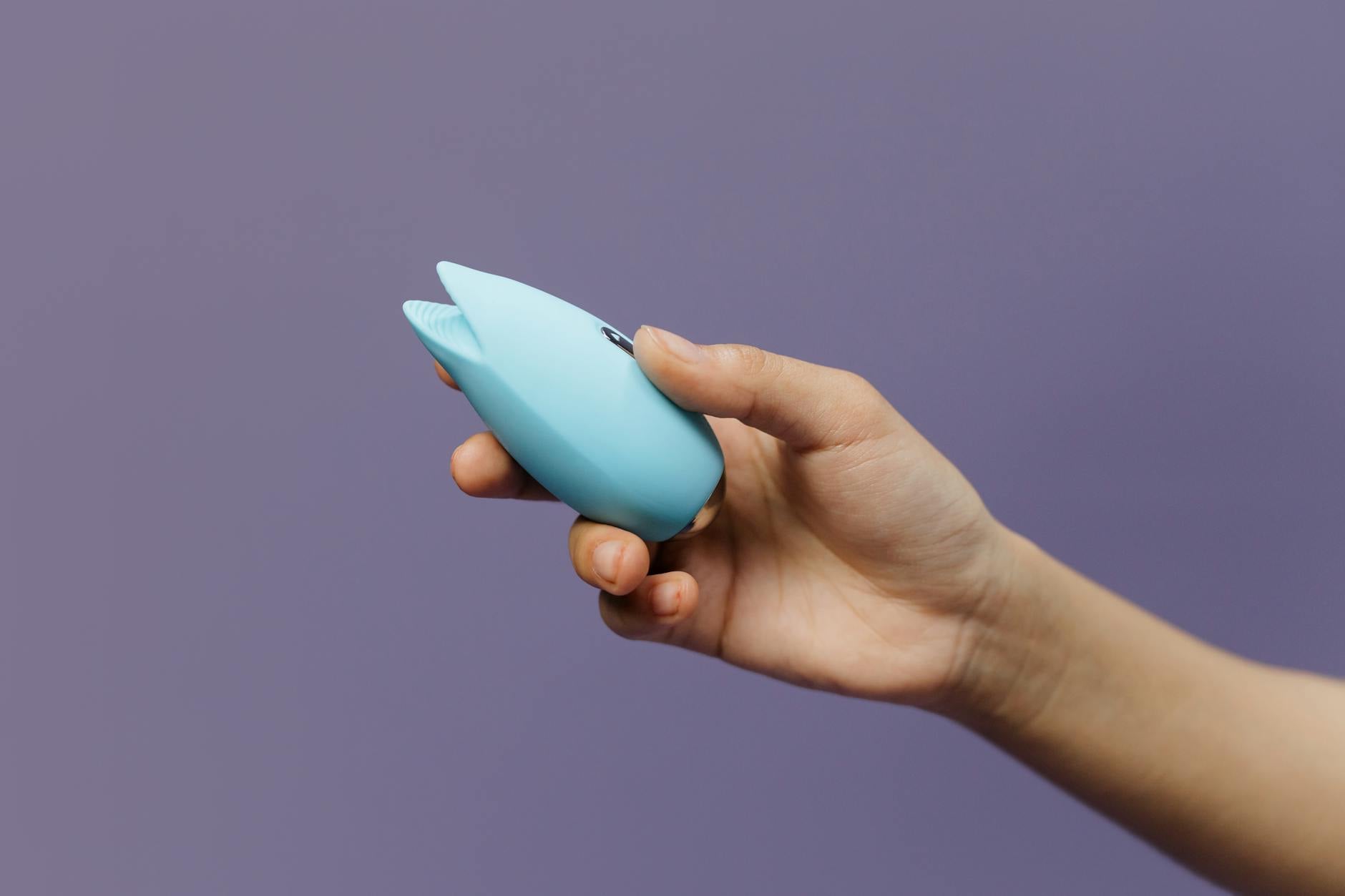
How to Use Lemon Vibrators During Low Libido Phases
Low desire doesn't mean your body is broken. Here's exactly how to work with a lemon clitoral vibrator when your drive is quiet, and what shifts it back.
Low libido is one of the most common things I hear about in my practice. It's also one of the most misunderstood. Most people think it means something is wrong with them. What it actually means is that something in their life, body, or relationship has shifted. Sometimes that shift is temporary. Sometimes it's a sign you need to recalibrate.
Here's what nobody tells you: you can work with a clitoral vibrator during a low libido phase. You don't have to wait for your drive to come back before you explore pleasure again. In fact, using a tool like the Lem during a desire dip can actually help you understand what's happening and what might help you get back on track.
There are about fifteen common culprits behind a dive in sexual desire, and exactly one of them is "your body is broken." Here are the actual usual suspects.
Stress and emotional load. This is the heavyweight champion of libido killers. When your nervous system is running on high alert, your brain deprioritizes pleasure. Your body doesn't feel safe enough. This is normal and protective, not a failure.
Hormonal shifts. Birth control, perimenopause, thyroid changes, and nutrient deficiencies all tank desire. A quick conversation with your GP can rule this out.
Relationship friction. You can't separate your body from your emotional connection to a partner. Resentment, unresolved conflict, or feeling unseen will kill libido faster than almost anything else. This is a relationship issue wearing a libido disguise.
Medication side effects. SSRIs are famous for this. So are some blood pressure meds and antihistamines. If your libido dropped right after starting something new, ask your doctor about alternatives.
Burnout and fatigue. If you're running on fumes, your body doesn't have bandwidth for pleasure. This one often improves just by saying no to things.
Disconnection from your own body. Sometimes low libido isn't about not wanting sex. It's about not feeling connected to pleasure at all. You've numbed out or you're living in your head. A vibrator can be the bridge back.
The goal here isn't to force arousal. It's to explore sensation without pressure.
Start with zero expectations. Not "I'm going to have an orgasm." Not even "I'm going to feel turned on." Just "I'm going to spend 10 minutes with my body and see what happens."
Begin with external touch before you turn anything on. Use your fingers or the Lem unpowered to trace where you want to explore. This sends a signal to your nervous system that this is safe, intentional time. Then, when you turn the vibrator on, start at the lowest setting. Pattern 1 on the Lem is gentle enough that it won't overload a system that's already drained.
Work slowly. The Lem's suction-based design works really well here because it doesn't require the same direct friction that other vibrators do. You can rest it in one spot and feel the sensation build without having to move or perform. This is important when you're low on energy.
Set a timer for 15 minutes maximum. You're not trying to outlast the experience. You're gathering information. What does your body respond to? Where does sensation concentrate? What would it take to move from neutral to interested?
If nothing happens, that's data, not failure. Your body might be telling you it needs something else right now. Rest. Connection. A conversation. That's worth knowing.
Using a vibrator during low libido helps you stay in your body while the rest shifts. But the rest needs to shift too.
If it's stress. Honestly, stress management beats everything. That means sleep, movement, time away from screens, and sometimes therapy or coaching. Your nervous system can't remember how to want pleasure if it's stuck in threat mode.
If it's hormonal. Talk to your doctor. Hormone levels are fixable. Birth control can be changed. Thyroid meds can be adjusted. This isn't permanent.
If it's relationship friction. You need to address it directly. Low libido is often your body's way of saying "something isn't right here." Ignore that message and it gets louder. You might talk through communication strategies with a partner or find a couples therapist. The Lem can help you stay connected to solo pleasure while you work on that, but it can't fix the relationship part alone.
If it's medication side effects. Ask your doctor. There are usually alternatives.
If it's disconnection. This is where the Lem really shines. Using it regularly, even without expectation of orgasm, rebuilds the bridge between your mind and your body. You're literally retraining your nervous system to recognize sensation. Over time, desire often follows.
Here's a thing that blew my mind once I learned it: not everyone's libido works the same way.
Some people have spontaneous desire. Their drive shows up without context. They see something, want something, initiate. Other people have responsive desire. Their drive wakes up in response to touch, closeness, or a partner initiating.
Many people move between both over a lifetime. During a low libido phase, you might shift from spontaneous to responsive or disappear for a bit.
If you're naturally responsive, using a vibrator solo during low libido can help you access that responsiveness. The Lem's gentle suction gives your body something to respond to. If you're naturally spontaneous, low libido might just mean you need something external to spark it. That could be novelty, a different context, or time with a partner.
Understanding which one you are matters more than forcing yourself to be the other.
Not all low libido is temporary. Sometimes it's a signal.
If you're in a relationship and your libido drops specifically with your partner, that's your body saying something is off. It might be a trust issue, unresolved hurt, or just that you've drifted. A vibrator won't fix that. A conversation, therapy, or reconnection will.
If your libido disappeared and never came back, even after stress cleared and hormones stabilized, it might be asexuality or a shift in your sexuality. That's not low libido. That's just who you are. And that's okay.
The goal isn't to force your libido to look like someone else's. It's to understand what you actually need and build a life and relationship around that.
Low libido phases are common and temporary for most people. Using a tool like a lemon clitoral vibrator during that phase keeps you tethered to pleasure and sensation even when desire is quiet. It also gives you valuable information about what your body needs.
The Lem works particularly well during low libido because there's no pressure to perform. You can rest it somewhere and just feel. No complicated positions. No endurance required. Just sensation.
But the vibrator is part of the picture, not the whole picture. The other part is addressing whatever shifted your libido in the first place. That might be stress management, a doctor's visit, a relationship conversation, or just time.
Your desire will likely come back. And when it does, you'll have learned something about how your body actually works.