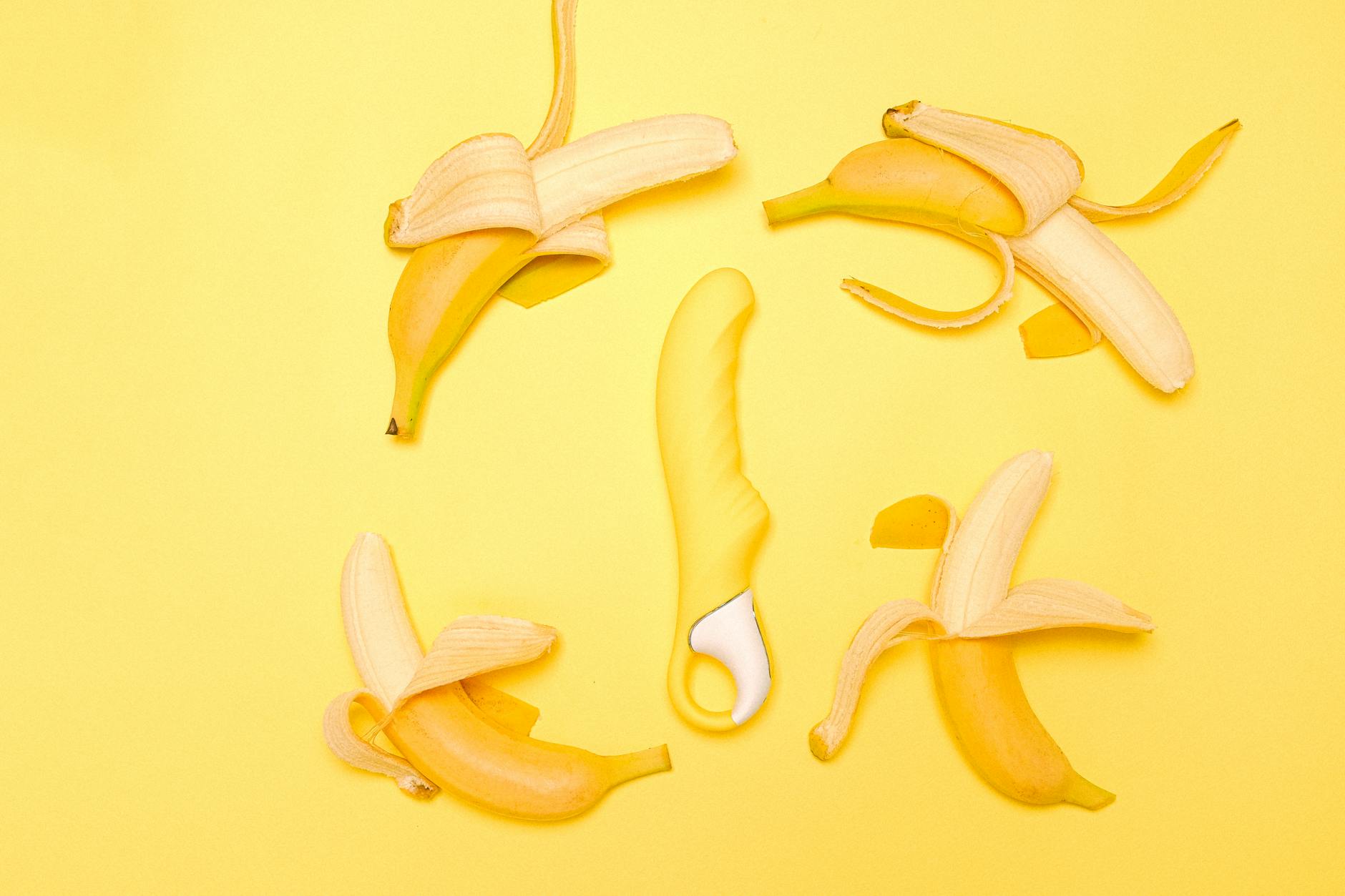
How to Use Lemon Vibrators for Solo Pleasure When Recovering from Breakup
After a breakup, reconnecting with your body feels different. Here's why lemon vibrators work, what to expect emotionally, and how to rebuild pleasure on your own terms.
Breakup doesn't end your body's ability to feel pleasure. It does interrupt your relationship to it. That distinction matters because most people try to pick up where they left off with a partner, realize their body feels like a stranger's, and then assume something's broken. Nothing's broken. You're just grieving.
Three things happen physiologically and emotionally when a significant relationship ends.
First, your nervous system loses a mirror. For months or years, another person reflected back desire to you, initiated touch, and created rhythm. Now that mirror is gone. Your body's arousal response is slower partly because the external stimulus has vanished.
Second, shame creeps in without permission. People tell themselves "I shouldn't want this right now" or "I'm supposed to be sad, not horny." Both feelings can coexist. Your body doesn't care what timeline grief is supposed to follow. Allow that.
Third, solo pleasure requires deciding what you want independent of someone else's preferences. After years of calibrating around a partner's body, schedule, or desires, you've outsourced some of that internal decision-making. Getting it back takes practice.
A lemon clitoral vibrator works differently than penetrative toys or traditional vibrators. It uses suction rather than direct vibration, which means it stimulates the clitoris without requiring the kind of friction that can feel too intense or remind you of partnered touch.
The suction sensation feels distinct. Your nervous system recognizes it as something new, which is helpful when your brain is busy grieving the old. You're not comparing it to a partner's touch. You're building a fresh reference point.
Lemon vibrators also tend to require more engagement. You're choosing the pattern, the intensity, the pace. That active participation rebuilds your autonomy. You're not being done to. You're doing this for yourself.
Before you even pick up a lemon vibrator, you need permission. Real permission, not the kind you think you should give yourself.
Breakup recovery happens in phases. The first phase is usually numbness or anger. Pleasure doesn't land well here. Your body is protecting you. Don't fight it.
The second phase is when your nervous system starts to settle. You can eat without tasting ash. You can laugh at something that isn't self-deprecating. You're sleeping slightly better. This is when solo exploration becomes possible again.
Wait for that phase. Forcing pleasure before you're ready feels like obligation, not joy. And obligation during breakup recovery is the opposite of what you need.
When you're ready, approach it like relearning something you forgot you liked.
Start low. If your lemon vibrator has intensity levels, begin at pattern one or two. Your nervous system has been in survival mode. Low stimulation gives your body permission to gradually wake up without shocking it.
Set time aside, not just whenever. Breakup recovery benefits from ritual. Light a candle if that's your thing, or just close the door and silence your phone. You're telling your body "this time is for me." That signal matters.
Expect silence at first. Before a breakup, you might have had background noise from a partner, conversation, even just their presence. Solo pleasure after a breakup can feel isolating initially. That's not failure. Sit with it. Gradually, the silence becomes space. Space becomes freedom.
Don't aim for orgasm. Seriously. Pleasure without a destination is what you need right now. If orgasm happens, great. If not, that's fine too. You're rewiring your relationship to your own body, and that takes time.
Numbing isn't unusual. Your nervous system might stay protected for weeks. Your body's arousal response might be slow. You might even feel angry at a lemon vibrator that "doesn't work."
None of that means you're broken. Grief is a form of hypervigilance. Your brain is still scanning for danger. Pleasure and hypervigilance don't share the same neural pathways. They can't both be on at once.
If numbness persists beyond a few weeks of gentle exploration, that's worth checking in with yourself about. Sometimes breakup depression needs more support than solo touch can provide. There's no shame in talking to a therapist or counselor about rebuilding pleasure. In fact, it's smart.
Breathwork changes everything. Before a breakup, you might have held your breath through arousal. Now, consciously breathing into your belly before and during touch tells your nervous system you're safe. Slow breathing down, exhale longer than inhale. Your body will respond.
Temperature matters. A warm bath beforehand, a heated blanket nearby. Warmth signals safety to your nervous system. Cold and tension go together. You want to dissolve tension, not build it.
Solo doesn't mean alone. Some people find that using a lemon vibrator in a new environment helps. A friend's house, a hotel room, somewhere your nervous system hasn't stored breakup memories. Your body holds location-based trauma. Change the room, you change the signal.
Patience beats force. If you can go two weeks exploring at low intensity and never reach orgasm, that's still progress. You're rebuilding safety. You're teaching your body that solo pleasure is available without a partner. Those are massive wins.
After a few weeks of gentle exploration, your nervous system will signal readiness. You might notice you're thinking about pleasure before you start, not just during. Your body might respond faster. Arousal might build instead of flatline.
That's when you can increase intensity on your lemon vibrator. Move from pattern one to pattern three. Give yourself longer time. Explore different positions or locations. Let pleasure become less like a research project and more like something you actually want.
This is also when comparisons might creep in. "With my ex, this felt different." It did. And now it doesn't have to be the same. Different can be better. Different can be yours.
There's a subtle line here worth naming. Healing solo pleasure feels generative. You're reconnecting with yourself. You're curious. Even if arousal is slow, there's a sense of coming home.
Avoidance pleasure, by contrast, feels desperate. You're using a lemon vibrator to numb instead of feel. You're seeking orgasm as escape rather than as an expression of pleasure.
Both are normal. Both might happen. The difference is awareness. If you notice yourself reaching for a vibrator when you're spiraling in breakup thoughts, instead of when you're genuinely interested in pleasure, pause. Address the spiraling first. Pleasure will be there when you're ready.
There's no universal timeline. Some people are ready in two weeks. Others need three months. The marker isn't the calendar. It's your nervous system. Can you sit with yourself without wanting to explode out of your skin? Can you breathe normally? Can you experience a moment of genuine calm? Those are the signs you're ready. Start with low intensity and see what your body tells you.
Not directly. But rebuilding solo pleasure does rebuild your sense of self. It reminds you that your body is yours, not defined by a partnership. That's not getting over someone. That's getting into yourself. And yes, that does help with healing.
Grief and pleasure aren't opposites. You can miss someone and also want to feel good. Your body doesn't wait for your brain to finish processing. Let both things be true. If guilt persists, it might help to work with a therapist on what the guilt is actually about. Often it's not about pleasure itself. It's about permission.
You don't owe anyone access to your solo pleasure habits. If you have a friend you trust and it feels natural to mention it, that's fine. Most people don't need to know. What matters is that you know it's normal, it's healing, and it's entirely your business.
Yes, but not in the way partnered touch does. A lemon vibrator reminds you that pleasure is available to you directly. You're not waiting for someone else to desire you to feel good. That's a profound shift after a breakup. Over time, that independence becomes confidence.
Angry solo pleasure is still valid. Your body might process anger through sensation. Anger often sits below grief. If you're channeling anger into solo touch with a lemon vibrator, you're actually processing something real. Don't shut it down. Let it move through your body. Orgasm after anger can feel cleansing.
Breakup recovery isn't linear. Some days you'll reconnect with pleasure easily. Other days you'll feel nothing. That's not failure. That's the natural rhythm of rebuilding your relationship with your own body.
A lemon clitoral vibrator is just a tool. The real work is you deciding that your pleasure matters, that your body is worth paying attention to, and that solo joy is a legitimate form of self-care. The vibrator just makes that work easier.
If you're struggling with grief or depression alongside recovery, talking to someone helps. Breakup recovery is valid self-care. So is asking for support when you need it. Both things are true.