One partner orgasms in four minutes. The other needs twenty. You're not broken. Your bodies aren't incompatible. You're just operating on different timelines, and pretending otherwise creates resentment that looks like it's about sex but is actually about feeling unseen.
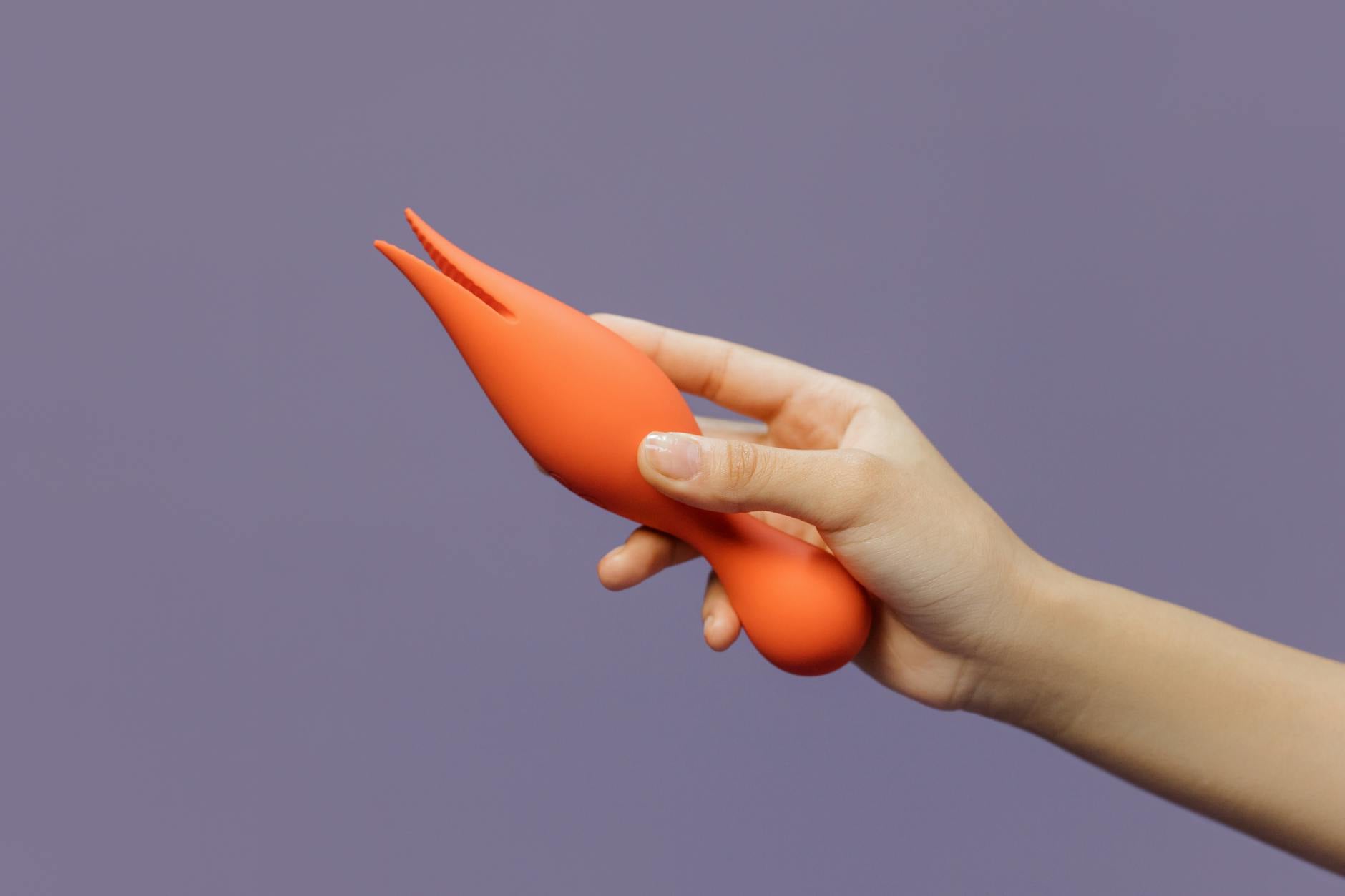
Lemon vibrators and other clitoral suction toys solve this in a way that penetrative sex or vibrators alone never do. They're fast enough to keep up with speed, precise enough to work for slow burners, and they reframe the whole dynamic from "me waiting for you" to "us both getting there."
People come wired differently. Testosterone, estrogen, sensitivity threshold, nerve density, mental arousal patterns, historical conditioning about speed and performance. None of it is a choice. One partner might hit orgasm at the first sustained touch. Another's nervous system needs 20 minutes of consistent stimulation to build enough pressure for release.
The problem isn't the difference itself. The problem is that most partnered sex assumes both bodies work the same way and at the same pace. When they don't, someone feels either rushed or bored. Both feel like rejection, even when they're pure physiology.
This is where lemon clitoral vibrators change the equation. Unlike traditional vibrators or hands alone, a lem or similar suction toy can deliver sustained, precise stimulation that works regardless of timeline. Fast enough for quick finishers. Reliable enough for slow burners. Hands-free enough that the faster partner isn't stuck waiting.
It's rarely the speed itself. It's the narrative around it.
If you're the fast finisher, you often feel broken or overeager. If you're the slow burner, you feel like a burden or like there's something wrong with your body. The faster partner might try to slow down to match, which feels unnatural and kills their own arousal. The slower partner might push themselves to finish faster, which actually makes it harder to finish at all.
Then comes the resentment disguised as a joke. "You never take long enough." "Why do I always have to wait?" "Let's just get this over with." Each of these is someone feeling unseen.
Lemon vibrators solve this because they separate your arousal timelines from your pleasure timeline. Both of you can be present, both can have sensation, both can finish on your own rhythm. The faster partner isn't waiting around. The slower partner isn't performing or rushing. You're not choosing between speed and intimacy anymore.
Begin with foreplay that excites both of you simultaneously. Kissing, touching, whatever builds desire for both partners. When arousal is climbing in both bodies, that's when the lemon vibrator enters. The partner who tends toward quick finishes can start using it first at a moderate intensity. Pattern 2 or 3. Not full power yet.
Meanwhile, the slower partner is still in regular foreplay. Hands, mouths, bodies. The vibrator isn't replacing partnership. It's supplementing timeline mismatch.
When the faster partner is getting close (usually 5-8 minutes in), the slower partner begins using the lem. They might start at pattern 1 or 2. Lower intensity. They've got longer to build. The vibrator gives them precision without the pressure of hand fatigue or the psychological weight of feeling like they're "taking too long."
The partner with the longer timeline needs permission to take their time.
This is the conversation that actually matters. Not "let's buy a toy" but "I want you to feel zero pressure to finish on any schedule but your own." A lemon clitoral vibrator delivers that permission physically. The sensation is consistent and reliable. Nobody's hand is cramping. Nobody's waiting restlessly. The experience becomes "both of us getting pleasure" instead of "one of us waiting for the other."
Traditional bullet vibrators are fine, but they work on one principle. Buzz. High frequency. Fast. For someone who comes quickly, that's perfect. For someone who needs longer, the intensity can feel overwhelming or make it harder to concentrate on building arousal.
Lem vibrators use suction and pulsing rather than pure vibration. This means they're gentler on fast finishers (reducing overstimulation and numbness) and more effective for slow burners (building intensity in layers, not arriving at full force instantly). The sensation is also completely different from a hand or penis, which means there's no comparison to previous sexual experiences or performance expectations.
It's new sensation for both partners. That itself reduces the psychological weight around timing.
"I love our sex life. And I've noticed that we finish on really different timelines. I don't think that's a problem. I think it's just how our bodies work. But I want us both to feel good and unhurried. I'm thinking a clitoral vibrator like a lem might help both of us relax into our own rhythm without one of us waiting. Would you want to try that?"
That's it. No shame. No performance talk. Just logistics and care.
Some partners will be excited. Some will be hesitant. If hesitation shows up, ask what's underneath it. Performance anxiety? Worry about replacement? Fear of not being enough? All of those are legitimate and all deserve a real conversation. Buying a toy won't fix insecurity. Talking about insecurity and then introducing a tool will.
First time, it might feel weird. The sensation is unfamiliar. The psychological shift from "sex is what we do together" to "sex is what we each do on our own timeline, together" takes a minute.
Second time, you'll probably relax more. You'll realize nobody's watching the clock. The faster partner finishes first and gets to actually relax instead of waiting. The slower partner has as much time as they need and zero judgment.
Third time, it becomes normal. You've separated timeline pressure from partnered intimacy.
Sometimes the problem isn't physiology. Sometimes one partner is genuinely less interested in the sex. Sometimes there's resentment about something else entirely. Sometimes the timeline mismatch is an excuse to avoid closer conversation about desire or connection.
If introducing a lemon clitoral vibrator doesn't ease the tension, that's data. The issue isn't physical. It's relational. That's when you might want to talk to a couples therapist or a relationship coach who can help you figure out what's really underneath the speed mismatch.
But if the issue is purely "our bodies work at different paces," a quality lemon vibrator removes the friction instantly. Both partners get to finish. Neither partner is performing. That's actually rare in partnered sex. It's worth protecting.
Not if you frame it correctly. This isn't "I'd rather have a toy than you." It's "I want us both to feel good on our own timelines." A lemon vibrator is a tool for synchronizing desire, not substituting for partnership. The research on couples who use vibrators together shows increased satisfaction and reduced performance anxiety. The vibrator isn't the point. Taking pressure off each other is.
That's normal. Some people were raised to think vibrators are shameful or that needing one means their body or your partnership is broken. Neither is true. Start by asking what the hesitation is. Performance anxiety? Worry about being replaced? Religious conditioning? Once you know the root, you can address it directly instead of just pushing a vibrator at them. Sometimes the conversation takes longer than the actual trying. That's okay.
Language matters. Instead of "you take forever," try "I love how long you take to warm up. Let me take some pressure off so you can just enjoy it." Instead of framing it as a fix, frame it as a gift. You're not fixing a malfunction. You're removing unnecessary friction from something beautiful.
No. Some nights you might want straight partnered sex. Some nights the vibrator is perfect. The point is having options and removing the pressure that used to exist. When you take the timeline mismatch off the table, paradoxically, partnered sex often becomes more frequent and relaxed because nobody's timing is being monitored.
Yes, and it's actually easier than without one. Once both partners are relaxed about their own timeline, simultaneous orgasm becomes possible without being the goal. The pressure to come at the same moment is usually what prevents it. Remove that, and it happens naturally sometimes. But the beauty is that if you don't, there's zero resentment because you weren't performing in sync in the first place.
The toy might not be the right fit for one or both partners. Lemon clitoral vibrators work differently than traditional vibrators because of the suction mechanism. You might also need the conversation piece more than the toy piece. Sometimes knowing your partner wants to help you finish on your timeline, without judgment, is what actually changes things. The vibrator is just the physical manifestation of that care.
Mismatched pleasure timelines aren't a problem to solve. They're a fact to work around. A lemon clitoral vibrator does that elegantly because it gives both partners what they actually need. The fast finisher gets sufficient stimulation without overstimulation. The slow burner gets precision and time and zero judgment. And both partners get the experience of being chosen, together, without having to meet an impossible standard of synchronized bodies.
That's when sex stops being a performance and starts being what it actually is: two people trying to feel good, at their own pace, together. That's worth protecting.