Antidepressants save lives. They also make orgasms harder to reach. About 40 to 60 percent of people taking SSRIs or SNRIs report some degree of sexual side effect, usually delayed orgasm or reduced sensation. It's not a character flaw. It's not in your head. It's biochemistry, and it's worth understanding so you can work around it.
Here's what I tell my clients: medication side effects don't mean you're broken. They mean you need a different approach. Lemon vibrators, specifically suction-based clitoral stimulation, often work better than traditional vibration for people on antidepressants. The reason isn't mystical. It's mechanical.
SSRIs increase serotonin by blocking its reuptake in the brain. That's great for mood. But serotonin also regulates orgasm and genital sensation. Higher serotonin, paradoxically, can make climax harder to trigger and sensation duller across the genitals. SNRIs add norepinephrine to the mix, which affects arousal and blood flow. Both classes of drugs can slow the physical cascade that leads to orgasm.
The effect isn't uniform. Some people notice almost nothing. Others find that orgasm takes 45 minutes instead of 10, or that sensation feels muted, like touching your clit through a thick glove. A few experience anorgasmia where orgasm becomes nearly impossible.
Important: if anorgasmia is severe or new, talk to your prescriber. Dose, timing, or switching medications might help. But if you're generally happy with your mental health medication and just need better tools, that's where lemon vibrators enter the picture.
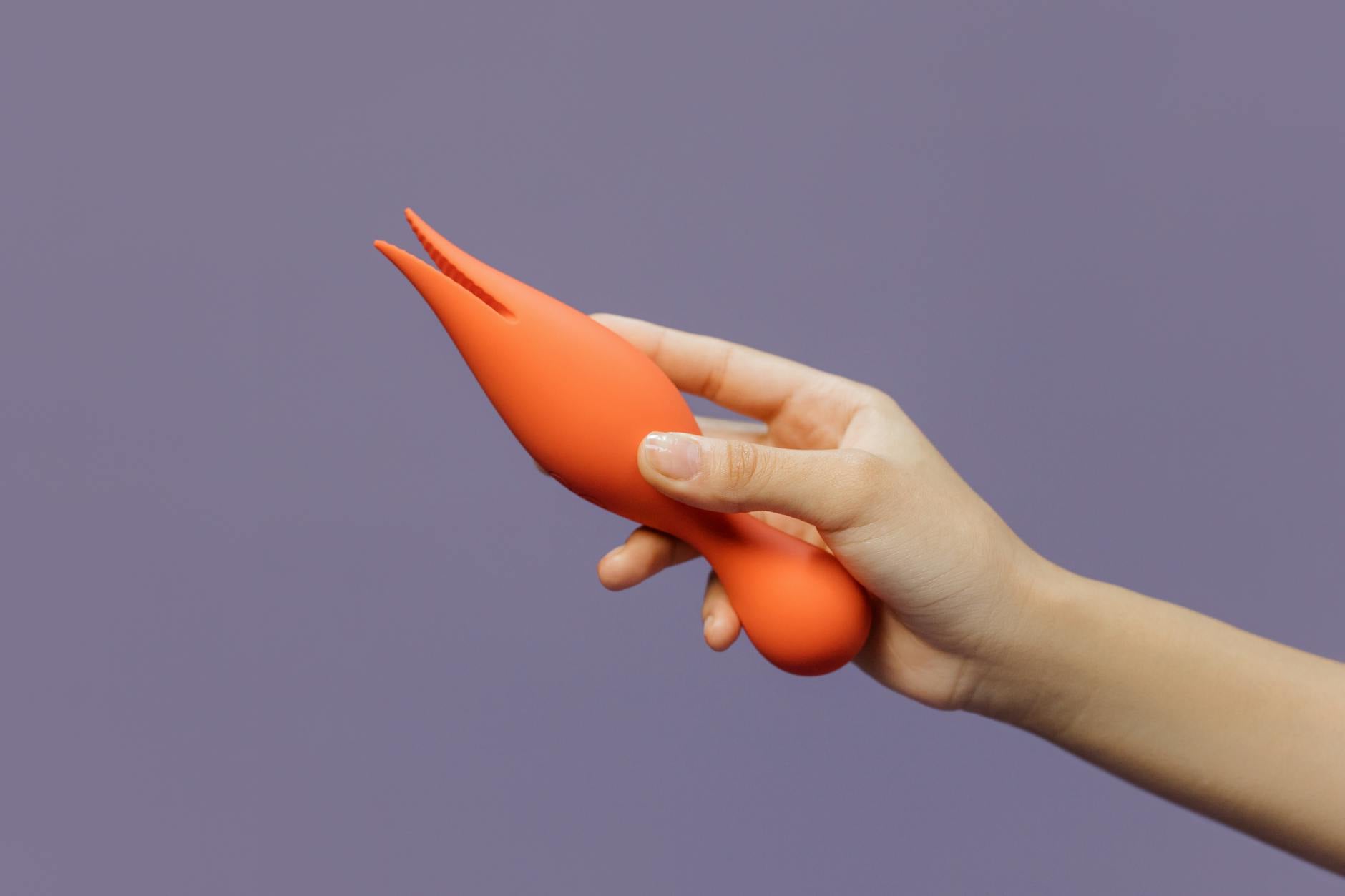
Traditional vibrators rely on frequency (speed) to trigger nerve endings. If medication has dulled sensation, you might chase faster vibration, which exhausts your nerves further. Suction-based clitoral stimulators like the Lem use a different mechanism: gentle pulsing air pressure that massages the clitoral bulb and surrounding tissue. The sensation is broader and deeper than point vibration.
Think of it this way. A traditional vibrator is like tapping. A lemon sucker is like cupping and releasing. The second method engages more nerve fibers at once, which often feels more noticeable when sensation is already dampened by medication.
My clients on antidepressants consistently report that suction feels "stronger" even at lower intensity settings. You're not imagining it. The neurological pathway is genuinely different.
If you're already using a lemon vibrator or considering one, here's how to optimize for antidepressant-dulled sensation.
Start with the highest pattern, not the lowest. Most people begin at intensity one or two. On antidepressants, jump to pattern five or six. Suction doesn't fatigue nerves the way vibration does, so you can sustain higher intensity longer without losing sensation partway through. This is counterintuitive but clinically reliable.
Give yourself 25 to 40 minutes. Antidepressant-related delayed orgasm is real and not something to fight. Budget time. Arousal on SSRIs often builds slowly but can intensify if you stay consistent. Rushing creates frustration, which suppresses arousal further.
Use water-based lubricant generously. Antidepressants can reduce genital lubrication, especially in people with vulvas. Dryness dampens sensation further because the vibrator or suction device loses contact with skin. A good water-based lube (Sliquid, Hyalo Gyn, or Basic) restores sensation dramatically. Reapply every 10 minutes if needed.
Focus on the clitoral bulb, not just the tip. Suction naturally spreads stimulation across the whole structure. But you can deepen it: angle the Lem slightly to ensure the cup fully envelops the clitoral area, which brings more tissue into the pressure pattern. Smaller, tighter angles often feel more intense than hovering directly over the tip.
Combine with mental focus. Antidepressants dull sensation partly through neurological pathways and partly through reduced mental arousal (depression and anxiety blunt fantasy and desire). Pairing physical stimulation with erotic focus, whether through fantasy, audio erotica, or partner interaction, dramatically speeds orgasm. The mind and body have to be in conversation.
Most SSRIs peak in the bloodstream 4 to 6 hours after taking them. If you take your dose in the morning, sensation and arousal are often better in the evening. Some people find timing solo sessions or partnered time for 8 to 12 hours after their dose helps. This isn't universal, but it's worth testing over a week or two.
If you take your antidepressant at night, sexual response is often easiest in the morning. Talk to your prescriber about whether timing your dose differently (if safe for your condition) could help. Some people move their SSRI to bedtime specifically to protect daytime and evening sensation.
Don't assume you're stuck with this. Good prescribers know that antidepressant sexual side effects are common and addressable. Options include:
Adding a low dose of a different medication (like bupropion) to counteract sexual side effects. Changing the time of day you take your dose. Trying a different SSRI or SNRI class entirely. Some people report fewer sexual side effects on sertraline or fluoxetine than on paroxetine, or better luck with SNRIs like venlafaxine.
Taking a "drug holiday" (skipping a dose or two to restore sensation for a day) is sometimes discussed, but it's risky because it can destabilize mood. Ask your prescriber before trying it.
Meanwhile, using a lemon clitoral vibrator alongside these conversations gives you agency. You're not waiting for your medication to change. You're adapting your technique to work with your body as it is right now.
Antidepressant-related numbness often affects partnered sex more visibly than solo play. If your partner's stimulation doesn't trigger the same response it once did, that can feel personal. It's not. It's the medication. The conversation you need to have is: "My body is responding differently because of my medication, not because of anything you're doing. Here's what actually feels better now."
A lemon vibrator can be a great bridge. Many couples find that introducing a suction device removes pressure from the partner to be "enough" and actually deepens intimacy because both people are problem-solving together instead of one person trying harder.
Antidepressants and pleasure aren't mutually exclusive. They just require honesty and adjustment.
Sometimes. Some people report that sensitivity returns after 8 to 12 weeks as the body adjusts to the medication. Others find it's permanent at that dose. It's not a progression. If sensation hasn't improved after three months, the numbness is likely a stable side effect rather than something that will resolve on its own. That's when you talk to your prescriber about options.
Completely safe. There are no interactions between vibrators and SSRIs or SNRIs. The concern is that sensation is already dulled, so some people use very high intensities and briefly experience irritation. The fix is the same as without medication: start high but use lubrication, and give skin breaks between sessions. A quality lemon sucker like the Lem is designed for extended use and won't damage you even at maximum intensity.
Maybe. Sexual side effects vary wildly between medications and between people. Some switches help immediately. Some don't help at all. It depends on the specific drug, your body chemistry, and your dose. The benefit of trying a different medication is that you get the mental health benefit of the original AND potentially better sexual function. But there's no guarantee. Work with your prescriber to weigh the trade-offs.
Sensation often returns within a few sessions once you're using the right tool. Because suction engages sensation differently than vibration, you might notice a shift in your very first session. That said, if you've been numb for months, your brain may also need time to relearn arousal patterns. Budget at least a week of regular use before deciding whether it's working for you.
Completely normal. You're not failing. Your neurological response to stimulation has changed. A lemon vibrator accelerates the process, but antidepressant-delayed orgasm is a real phenomenon. Expecting the same timeline as before medication is setting yourself up for frustration. Instead, focus on the sensation and pleasure during the process rather than the destination.
Yes. Not as an apology, but as information. "My antidepressant is making sensation duller and orgasm take longer. It's not about you or how attracted I am. Here's what helps." Most partners respond with relief because they thought something was wrong with them. Opening that door actually strengthens connection.
If you're exploring how antidepressants affect your pleasure, the Lem is designed exactly for this situation. Suction-based stimulation often outperforms traditional vibration when sensation is compromised. Start at a higher intensity than you might expect, use plenty of lubricant, and give yourself time. Your pleasure hasn't disappeared. It's just moved to a different rhythm.
If you've been struggling with medication side effects for months, that conversation with your prescriber is worth having. But in the meantime, knowing that lemon clitoral vibrators work through a different mechanism gives you real options. You're not stuck choosing between mental health and sexual pleasure. You're choosing both, with better tools.
Balon, R. (2006). SSRI-associated sexual dysfunction. American Journal of Psychiatry, 163(9), 1504-1509.
Meston, C. M., & Frohlich, P. F. (2000). The neurobiology of sexual function. Archives of General Psychiatry, 57(11), 1012-1030.
Modell, J. G., Katholi, C. R., Modell, J. D., & DePalma, R. L. (1997). Comparative sexual side effects of bupropion, fluoxetine, paroxetine and sertraline. Clinical Pharmacology and Therapeutics, 61(4), 476-487.
Nurnberg, H. G., Hensley, P. L., Gelenberg, A. J., Fava, M., Lauriello, J., & Paine, S. (2002). Treatment of antidepressant-associated sexual dysfunction with sildenafil. Journal of the American Medical Association, 289(1), 56-64.