Why Lemon Vibrators Take Longer When You're Newly Single
Your body isn't broken. Emotional transitions rewire arousal pathways. Here's the neuroscience behind the slowdown, and how to work with it instead of against it.
There's a weird gap between "I'm done with that relationship" and "my body feels like mine again." You might reach for a lemon vibrator, a clitoral toy that normally works fast and builds sensation quickly, and suddenly it takes twice as long to climax. Or you climax at all. Nothing feels broken. It just feels... different.
When you're partnered, your body learns to respond within a specific context. There's a person you know, rhythms you've established, an expectation around initiation and pace. Your nervous system is wired for that. Arousal becomes a familiar script.
When that context disappears, your parasympathetic nervous system (the one that powers rest, relaxation, and sexual response) goes into a quiet shock. Your amygdala stays slightly activated. This isn't depression necessarily, though grief travels alongside it. It's more like your body is running a security scan before it trusts anything again.
1. Reduced parasympathetic tone. The vagus nerve, which drives sexual response, requires calm to activate. After a breakup, your nervous system is hypervigilant. It takes longer for your body to feel safe enough to shift into arousal mode. You might need 20-30 minutes of setup where you used to need five.
2. Disconnection from the sensation itself. Partnered sex often involves external stimulation and validation. Solo pleasure requires you to be present in your own body in a very specific way. Newly single people often report feeling "outside" their sensation, watching themselves rather than experiencing. This delays climax because you're partially disengaged from the physical feedback loop.
3. Grief sitting underneath. This is the part therapists talk about in private. A breakup activates loss in multiple systems at once. Your nervous system isn't just adjusting to a new solo routine, it's processing a death (of the partnership, the future you imagined, the person you were in that dynamic). Pleasure requires presence. Grief pulls attention elsewhere. These are competing forces.
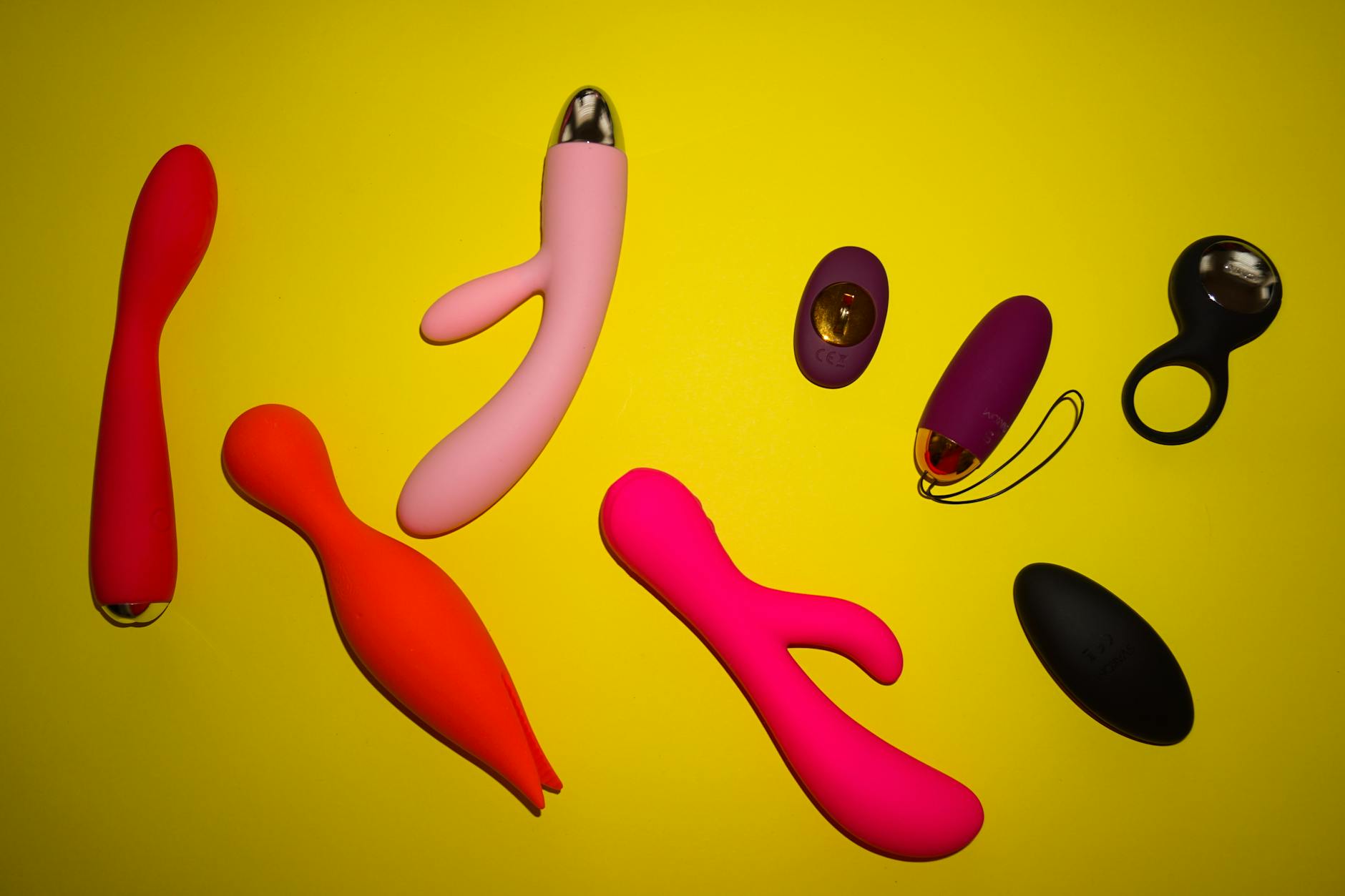
Tools like the Lem, with its suction-based stimulation, work particularly well during this phase because they offer something partnered sex couldn't: consistent, external validation of sensation.
When you use a lemon clitoral vibrator solo, you're training your nervous system to associate pleasure with safety and solitude, not with another person. Your body learns a new arousal pathway. This rewiring happens faster than you'd expect. Most people report a noticeable shift within 3-4 weeks of regular use.
The suction mechanism itself is also gentler than vibration-only toys. When your nervous system is already in a state of mild hypervigilance, intense direct vibration can feel overstimulating. Suction stimulates the clitoral nerves through pressure rather than friction, which many find easier to ease into when they're emotionally raw.
Weeks one and two are often still raw. You might use a lemon vibrator and feel almost nothing, or everything. The nervous system is still in shock. Don't judge the experience.
Weeks three through six, arousal starts to return but remains slower and more deliberate than pre-breakup. You might need longer foreplay, more direct clitoral contact, and a quieter environment. This is normal. Your body is literally relearning pleasure without that partnership context.
Weeks seven through twelve, you'll often find a new baseline emerging. Arousal speed often doesn't return to what it was, but it becomes reliable again. And honestly, many people report that when they reconnect with solo pleasure outside a performance dynamic, it's richer than it was before.
Build your own ritual. Partnered sex had a rhythm you didn't have to think about. Solo pleasure requires intentionality at first. Set aside 30-45 minutes, dim the lights, put your phone in another room. This signals to your nervous system that pleasure is worth protecting.
Start slow. Use lower intensity settings on your lemon vibrator initially. Build from pattern one to pattern three. Give your system time to warm up. Faster is not better right now.
Stay with the physical, not the emotional. When grief or loneliness surfaces during solo pleasure (and it will), that's not a sign to stop. That's a sign to breathe and gently return attention to sensation. Pleasure and grief can coexist. You don't have to choose.
Add novelty. If you've been using the same toy the same way for a decade, something new (a different lemon sexual toy, a different texture, a different setting) can jolt your nervous system in a good way. Hello Nancy offers clitoral vibrators in different shapes and intensities. Trying something even slightly different can restart engagement.
Partner with your pelvic floor. After a breakup, the pelvic floor often tightens as part of that nervous system lockdown. A few minutes of intentional relaxation before using a lemon clitoral vibrator makes a huge difference. Breathe in for four counts, out for six. Let your pelvic floor soften on the exhale.
If you're more than three months post-breakup and arousal hasn't returned at all, that's worth exploring. It might signal depression, hormone imbalance, or unresolved trauma around the relationship. A therapist or gynecologist can help tease that apart.
If pleasure has returned but it feels numb or obligatory, you might be moving through the transition too fast. Slow down. Grief is not something to rush through.
There's an unexpected gift hidden in this delay. When arousal takes longer and you're working to reconnect, you're forced to know your body in a more granular way. You discover exactly what works, what doesn't, what's novelty versus what's truly satisfying. Many people emerge from this phase with more confidence and agency around their own pleasure than they had before. A lemon vibrator becomes not just a tool but evidence that your body belongs to you alone. That's powerful. That matters.
You're not broken. You're just rebuilding. And your nervous system knows exactly how to do that.
Is it normal that nothing feels good right after a breakup? Absolutely. Your nervous system is in a state of change. Give it time before you assume something is wrong with your body or your toy. Most people regain sensation and interest within 2-3 months. If numbness persists beyond that, depression screening is worth considering.
Can using a lemon vibrator help me get over a breakup faster? Pleasure can support emotional processing, but it's not a shortcut. What happens is that reconnecting with solo sensation helps your nervous system understand that your body is still yours and still capable of joy. That's emotionally stabilizing. But you'll still need to grieve the relationship itself.
Should I try to speed up arousal or let it take its time? Let it take its time. Trying to force arousal or orgasm introduces performance pressure, which activates the same nervous system response that slows things down in the first place. Focus on sensation and presence instead. Speed returns on its own.
Is it weird to use a lemon clitoral vibrator right after ending a relationship? Not at all. Solo pleasure is actually a healthy part of reclaiming your body after a relationship ends. It reinforces that your pleasure belongs to you and isn't dependent on someone else. That's an important distinction, especially if the breakup was on difficult terms.
What if my ex used toys with me and I feel weird now? That's common. Your nervous system associated that tool with that person. Using it solo can feel strange at first, like you're trying on someone else's experience. If that feeling persists, trying a different lemon sexual toy or a different style altogether can help. Your body will separate the memory from the physical sensation if you give it a chance.
How do I know when I'm ready to start dating again based on solo pleasure? There's no formula. But when you find that solo pleasure is genuinely satisfying again, not obligatory, and you're not using it to distract from loneliness but to celebrate your own capacity for sensation, you're closer. That's a sign your nervous system has integrated the transition.
Breakups rewire pleasure. That's biology, not betrayal. Your lemon vibrator will work differently than it did before, and then it will work again, sometimes even better. The slowdown is temporary. The reconnection is real. Trust the process, trust your body, and give yourself time to rebuild what matters.