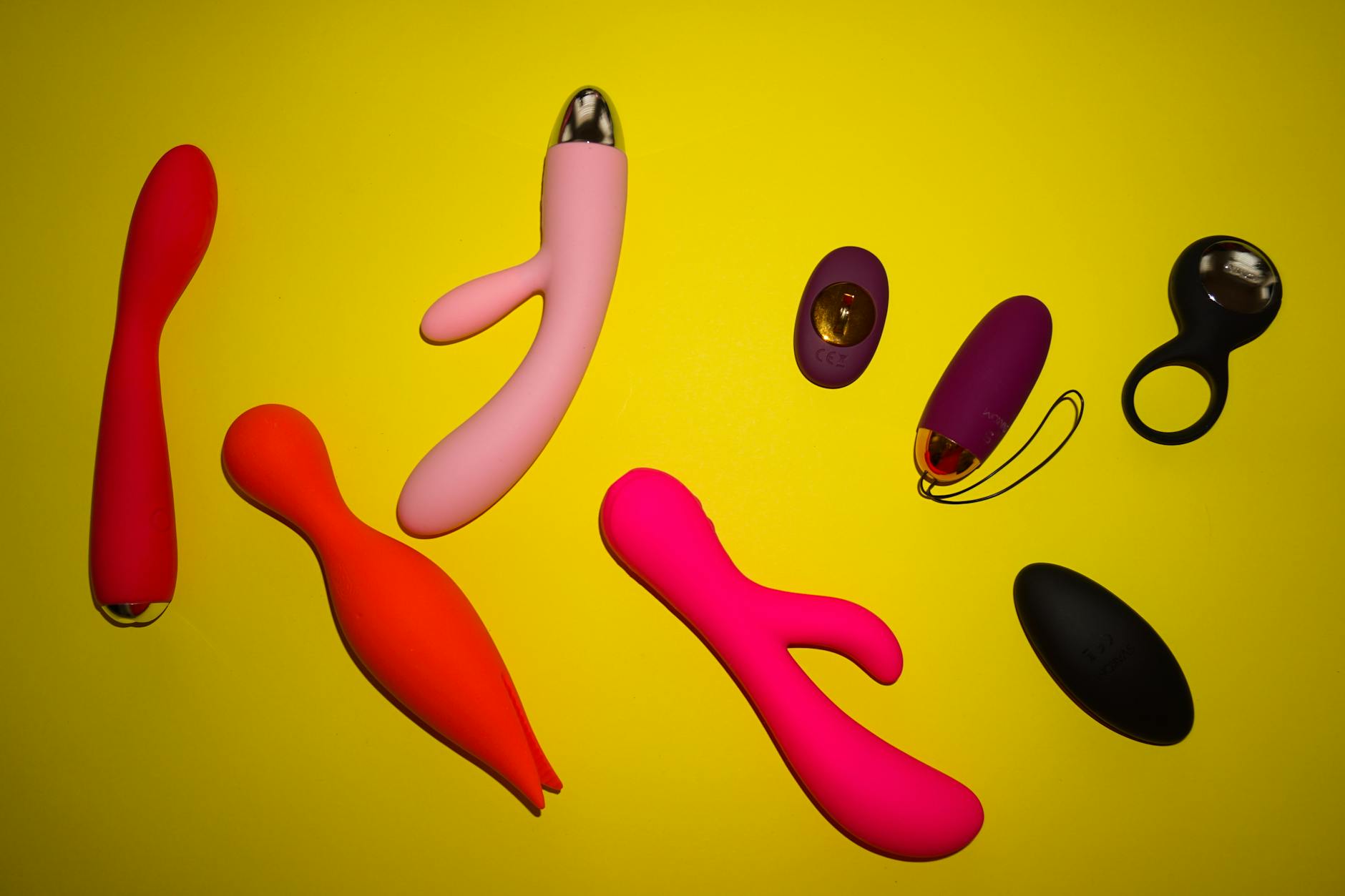
How to Use Lemon Vibrators When You're in the Early Stages of Dating
You don't need permission to prioritize your pleasure. Here's how to introduce a lemon clitoral vibrator into new romance without the overthinking, the awkwardness, or the apologies.
When you're new to someone, everything feels like a negotiation. You're calibrating what to reveal, how fast to move, whether this person will judge you for the things that actually get you there. Most people won't mention their vibrator until much later, if at all. And honestly? That silence costs you weeks or months of less satisfying sex than you deserve.
Here's what I've seen in my practice: people who bring a lemon vibrator into early dating aren't being selfish or "too much." They're being honest. And that honesty, paired with confidence, actually strengthens the new relationship because it says clearly: I know what I want, I'm not asking you to guess, and I'm not ashamed of how I get pleasure.
You don't need to explain your vibrator on the first kiss. But you don't need to hide it until month four either. The sweet spot is usually around the third or fourth sexual encounter. By then, you've established that you're into each other, but you haven't built up elaborate fantasies or expectations around how sex "should" work. That window is ideal.
Why not earlier? Because the first couple of times with a new partner, your nervous system is already processing a lot. New bodies, new rhythms, new vulnerability. Adding a tool into that mix when you're already reading signals can feel like too many variables.
Why not much later? Because if you wait until you've established a rhythm, introducing a vibrator can feel like a course correction. It can read as "this hasn't been working," even though that's not what you mean. Bringing it in earlier frames it as part of who you are, not a fix you need.
Don't make it a conversation. Make it a casual mention right before sex.
Something like: "I like using my vibrator. Want to watch?" or "I brought something that makes this feel even better. Want to try it together?" You're not asking permission. You're inviting participation. There's a huge difference.
If a partner says no or seems uncomfortable, you have information. That's actually valuable. A partner who can't be enthusiastic about your pleasure right now might not be a great fit, or they might just need reassurance. But don't volunteer apologies or explanations before they ask. Confidence is attractive. Defensiveness isn't.
This is where most people get stuck. You're thinking about where to position it, whether lube helps, whether it's awkward to hand your partner the vibrator. Here's the breakdown.
First, a lemon vibrator like the Lem works through gentle suction rather than intense vibration. This actually makes it easier to use with a partner because it's less about fitting something into a crowded space and more about the sensation itself. Your partner can be inside you while you use it on your clitoris. Or they can watch you use it solo while they're touching you elsewhere. Or you take turns. The flexibility is actually part of why lemon clitoral vibrators work so well in couples' scenarios.
Lube is your friend here, though not necessarily where you might think. A little water-based lube on the outside of the device makes the sensation glide better and reduces any sticking feeling. Most people don't realize this makes a difference. It does.
As for handing it over or guiding your partner's hand, just do it like you'd guide their fingers. Show them the setting you like, the angle that works. Again, this isn't awkward if you act like it isn't. If you're matter-of-fact about it, they usually will be too.
Here's something counterintuitive: new partners are often more willing to experiment than long-term partners. They don't have years of "this is how we do it" cementing a pattern. They want to please you and haven't yet learned all the ways they might be failing. That's a narrow window. Use it.
Also, using a lemon suction vibrator early signals something important: you're not afraid of your own pleasure, and you're not going to perform for them. You're going to collaborate. Long-term relationships survive on that foundation way more than on heat or novelty.
Most hesitation comes from one of three places: they think it means you're not satisfied with them, they worry it'll get in the way, or they've never seen one and feel a bit nervous.
For the first: "This isn't about what you do or don't do. I like this sensation, and I wanted to share it with you." That's true and it's also disarming.
For the second: "It makes me come faster and stronger. That's better for you, too." Also true. Most partners aren't opposed once they realize they benefit.
For the third: Just show them how it works, let them hold it, maybe use it on your arm so they see how gentle and controlled it is. Demystifying the tool helps a lot.
If someone remains uncomfortable or judgmental about you using a vibrator, that's not a reflection on you. That's their hangup. And you get to decide whether you want to spend time with someone whose hangups include not wanting you to feel your best.
I've worked with hundreds of couples, and the single biggest predictor of sexual satisfaction isn't compatibility or chemistry. It's whether a person believes they deserve pleasure. People who bring a lemon vibrator into early dating aren't necessarily more experienced. They're just more willing to ask for what they want.
That confidence spreads. A partner who sees you comfortable with your pleasure, unapologetic about it, tends to relax too. They stop trying to be a mind reader and start just being present. That's when sex actually gets good.
Your pleasure matters. Not after you've been together for a year. Not if he proves himself first. Now.
If you're new to lemon clitoral vibrators, start on the lower settings even in early dating. You might think you want to go straight to high intensity, but with a new person and new nervousness, a gentler suction often gets you there faster because your nervous system isn't braced.
Show your partner where the buttons are. Let them watch you navigate it. Some partners like being able to adjust the intensity while they're doing other things. Some like the fact that you're in control. Either way, this becomes part of foreplay.
One more thing: using lube with a lemon sexual toy actually changes how the sensation reads to them. It's smoother, less "buzzy," more like natural skin sensation amplified. That usually makes partners more into it because it feels less clinical.
Healthy hesitation: "I've never seen one before. Show me how it works?" or "Okay, let's try but I want to understand what's happening." These partners are curious and trying.
Dealbreaker hesitation: "I don't want you using that around me," or "That's weird," with no openness to hearing why you want it. That's judgment, not nervousness. And you can't negotiate someone out of judging your body and pleasure.
Trust me on this one: the person worth building something real with is the one who might be curious or nervous at first, but who ultimately wants you to feel incredible. Early dating is when you find out which kind of person you're with. That's valuable information.
Wait until you've had sex at least once or twice. Using a vibrator during a first sexual experience adds too many variables when your nervous system is already processing a lot. Once you've established comfort with each other's bodies, then bring it in.
There's no perfect predictor, but people who are curious, ask questions, and seem genuinely interested in your pleasure are usually fine with vibrators. People who make jokes about sex toys or seem defensive about their own sexuality can go either way. Just treat it casually and see how they respond. Their reaction tells you something important.
Use what you already have and love. A vibrator you're confident with reads completely differently than one you're still figuring out. Plus, using your familiar tool shows you're not performing. You're just bringing something authentic into the space.
Don't. Coming fast is not a problem your partner needs to solve. It's actually a gift. Most partners are thrilled to see someone actually get there, regardless of timing. If you feel self-conscious, you can simply say: "This gets me off really quickly," like it's a feature, not a bug. Because it is.
Completely yes. The vibrator works on the clitoris, which is external. Condoms don't interfere. In fact, lube that's already on your body from using the vibrator can make condom application easier.
Guidance is your friend. Hold their hand and show them the angle and pressure you like. Most people are happy to learn. And letting a new partner do this actually builds intimacy because it requires trust and communication. That's not vulnerability you should be ashamed of.
You don't owe anyone a slow reveal of your sexuality. Early dating is the exact moment to be honest about what you want, what you need, and what you're not willing to compromise on. A lemon clitoral vibrator isn't a luxury or an apology. It's part of how you experience pleasure. And someone worth your time will want to be part of that.
If you want to explore this further, our buying guide walks through choosing the right lemon vibrator for your body and preferences. And if you're navigating how to actually talk about pleasure with a partner, we've written about how to use lemon vibrators when partners have different pleasure timelines that covers some deeper communication frameworks.